

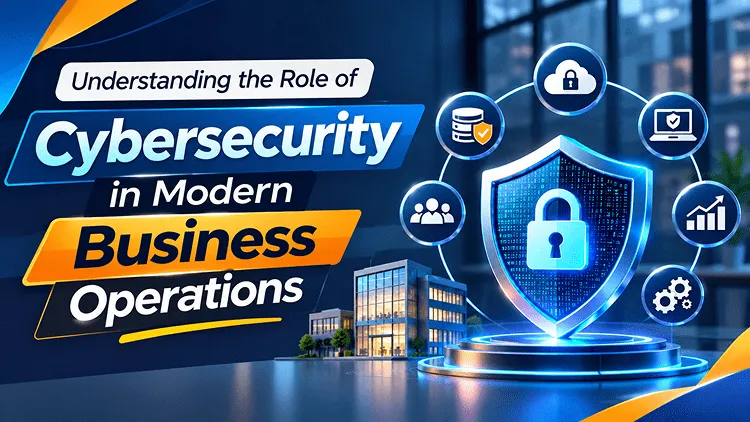




Modern businesses rely on technology to perform almost every important activity. From storing customer information and managing employee records to processing payments and communicating with suppliers, digital systems have become part of everyday operations. While these technologies improve efficiency and accessibility, they also create security risks that businesses must manage.
Cyberattacks, data breaches, phishing emails, malware and unauthorised access can interrupt business activities and expose confidential information. A single security incident may affect customer trust, employee productivity, financial stability and the organisation's reputation.
This is why cybersecurity is no longer just an IT department responsibility. It is an important part of business operations, risk management and long-term planning.
Cybersecurity involves protecting digital systems, networks, applications and information from unauthorised access, damage or disruption. It helps businesses identify potential threats, reduce vulnerabilities and respond effectively when security incidents occur.
Understanding its role helps organisations make better technology decisions, protect important resources and maintain continuity in an increasingly connected business environment.
Why Cybersecurity Is Important for Modern Businesses
Businesses collect and process different types of information every day. This may include customer details, financial records, employee information, business documents, passwords and operational data. If this information is not properly protected, it can become a target for cybercriminals.
Cybersecurity helps organisations protect these resources while maintaining the reliability of their digital operations.
For example, a company using cloud-based software to manage customer information needs appropriate access controls and security measures. Without them, unauthorised individuals may gain access to sensitive records or misuse business information.
Cybersecurity also helps businesses reduce operational interruptions. Malware infections, ransomware attacks and compromised systems can prevent employees from accessing the tools they need to work. Proper security measures help reduce these risks and support faster recovery.
Its importance can be understood through three key objectives:
- Confidentiality: Ensuring that sensitive business information is accessible only to authorised individuals.
- Integrity: Protecting information from unauthorised changes, manipulation or damage.
- Availability: Keeping important systems and information accessible to authorised users when required.
Together, these principles help businesses create a more secure and dependable digital environment.
Common Cybersecurity Threats That Affect Business Operations
Understanding common cyber threats is the first step towards building an effective security strategy. Different attacks target different parts of an organisation, and their impact can extend beyond the IT infrastructure.
1. Phishing Attacks
Phishing is a common cyber threat in which attackers send deceptive emails, messages or websites to trick people into sharing confidential information or clicking malicious links.
For example, an employee may receive an email that appears to come from a manager or a trusted service provider. The message may request login details or ask the employee to open an attachment. If the employee follows the instructions, attackers may gain access to business accounts or systems.
Employee awareness, email security controls and verification procedures can help reduce the risk of phishing attacks.
2. Ransomware and Malware
Malware refers to malicious software designed to damage systems, steal information or gain unauthorised access. Ransomware is a type of malware that can encrypt files and demand payment for their recovery.
An attack may prevent employees from accessing important documents, applications or operational systems. This can delay business activities and create recovery costs.
Businesses can reduce exposure through endpoint protection, regular software updates, secure backups and appropriate access restrictions.
3. Unauthorised Access
Unauthorised access occurs when someone gains entry to systems, accounts or information without proper permission. Weak passwords, stolen credentials and poorly managed user accounts can increase this risk.
For example, an employee account that remains active after someone leaves the organisation may become an unnecessary security weakness.
Businesses should establish account management procedures, use strong authentication methods and regularly review user permissions.
4. Data Breaches
A data breach occurs when confidential or protected information is accessed, disclosed or exposed without authorisation. This may happen because of cyberattacks, compromised accounts, insecure systems or human error.
Exposed information can include customer records, financial details, employee data and business documents. Depending on the information involved, a breach may create legal, financial and reputational consequences.
Encryption, access controls, monitoring and appropriate data handling practices help reduce the likelihood and impact of data breaches.
5. Network and Application Vulnerabilities
Business networks, websites and software applications may contain security weaknesses. If these vulnerabilities are not identified and addressed, attackers may use them to access systems or interfere with operations.
Regular security assessments, vulnerability scanning and penetration testing can help organisations identify weaknesses before they are exploited.
How Cybersecurity Supports Everyday Business Operations
Cybersecurity protects more than computers and networks. It supports the systems and processes employees depend on to perform their responsibilities.
Protecting Business and Customer Information
Businesses need to protect information throughout its lifecycle, including when it is collected, stored, transferred and accessed.
For example, an organisation that manages customer records should ensure that only authorised employees can view or modify those records. Encryption can help protect information when it is stored or transmitted, while access controls reduce unnecessary exposure.
These measures help maintain customer confidence and support responsible information management.
Keeping Business Systems Available
Employees depend on applications, databases, networks and cloud platforms to complete their daily tasks. If these systems become unavailable because of a cyberattack, business operations may be delayed or interrupted.
Cybersecurity supports system availability through network protection, endpoint security, monitoring, backups and recovery planning.
For instance, maintaining secure backups can help an organisation restore important information after certain incidents. Recovery procedures also help teams understand how to resume essential activities.
Supporting Secure Remote Work
Many organisations allow employees to work from different locations using laptops, mobile devices and cloud-based applications. This provides flexibility but also increases the number of devices and connections that need protection.
Businesses can strengthen remote working security through multi-factor authentication, secure network connections, device management and controlled access to company resources.
Employees should also avoid using unsecured networks for sensitive activities and follow organisational security policies.
Protecting Digital Transactions
Businesses that process online payments, manage invoices or conduct digital transactions must protect financial information and transaction systems.
Security measures such as encryption, authentication, fraud monitoring and restricted access help reduce the risk of unauthorised activity.
These controls support safer business transactions and help protect both the organisation and its customers.
The Role of Cybersecurity Services in Business Protection
Maintaining cybersecurity requires more than installing antivirus software or using strong passwords. Businesses also need to identify vulnerabilities, assess risks and monitor their technology environments.
This is where professional cybersecurity services can support organisations. Depending on business requirements, these services may include network monitoring, vulnerability assessments, penetration testing and security guidance.
Businesses managing complex IT environments need to regularly assess their networks for potential security risks and vulnerabilities. Network monitoring, penetration testing, and vulnerability assessments are commonly used to identify weaknesses, understand exposure to threats, and evaluate the effectiveness of existing security measures. Organisations looking into these areas can also explore how providers such as AsiaTel approach network security through their Cyber Security services, which cover these aspects of infrastructure protection.
A business should select security support based on its infrastructure, risk exposure, compliance requirements and operational needs. External assessments can complement internal security practices, but organisations must also maintain responsibility for their own systems, policies and incident response processes.
Essential Cybersecurity Practices Every Business Should Follow
An effective cybersecurity strategy combines technology, employee awareness and well-defined procedures. Businesses can strengthen their security through the following practices.
Implement Strong Access Controls
Employees should only receive access to the systems and information required for their responsibilities. This approach limits unnecessary exposure and reduces the impact of compromised accounts.
Multi-factor authentication adds another layer of protection by requiring additional verification during login. Businesses should also review permissions regularly and remove access when it is no longer required.
Keep Software and Systems Updated
Outdated software may contain vulnerabilities that attackers can exploit. Businesses should apply security updates to operating systems, applications, network devices and other important technology.
A structured patch management process helps organisations identify available updates, prioritise important fixes and monitor whether they have been applied successfully.
Train Employees to Recognise Security Threats
Employees play an important role in maintaining cybersecurity because they interact with emails, files, applications and business systems every day.
Regular awareness sessions can teach employees how to recognise suspicious messages, protect passwords, handle confidential information and report unusual activity.
Training should include practical examples so employees can understand how common attacks occur and what actions they should take.
Maintain Secure Backups
Backups help businesses recover important information when files are deleted, systems fail or certain cyber incidents occur.
Organisations should establish backup schedules, protect backup storage and test recovery procedures regularly. Keeping suitable backup copies separate from the main environment can also help reduce the risk of attackers compromising both.
Monitor Networks and Devices
Security monitoring helps organisations identify unusual activity, unexpected access attempts and potential threats.
Monitoring tools can provide visibility into network traffic, user activity and device behaviour. When suspicious activity is detected, security teams can investigate and take appropriate action.
Develop an Incident Response Plan
Even businesses with strong security measures may experience security incidents. An incident response plan explains how an organisation should identify, contain, investigate and recover from an incident.
The plan should define responsibilities, reporting procedures, communication channels and recovery steps. Regular testing helps employees understand what to do during an actual security event.
How to Build a Practical Cybersecurity Strategy
Cybersecurity should be planned according to business operations rather than implemented as a collection of unrelated tools.
Businesses can follow a structured approach:
- 1. Identify important assets: List critical systems, applications, devices and information that support business activities.
- 2. Assess potential risks: Understand possible threats, existing vulnerabilities and the operational impact of security incidents.
- 3. Prioritise security measures: Focus on protecting critical assets through appropriate access controls, endpoint security, network protection and data safeguards.
- 4. Establish employee responsibilities: Create clear security policies and provide regular awareness training.
- 5. Prepare for incidents: Define how the organisation will detect, report, contain and recover from security incidents.
- 6. Review security regularly: Conduct assessments, monitor systems and update security practices as business requirements and threats change.
This approach helps organisations build cybersecurity into everyday operations instead of treating it as a one-time technology project.
Conclusion
Cybersecurity plays an essential role in modern business operations because organisations depend on digital systems to manage information, communicate with customers and deliver services. Threats such as phishing, ransomware, unauthorised access and data breaches can affect business continuity, financial stability and customer trust.
By implementing strong access controls, updating software, training employees, monitoring systems and maintaining recovery plans, businesses can reduce security risks and protect their important resources.
Cybersecurity is an ongoing responsibility that requires regular assessment and improvement. Organisations that make security part of their everyday operations are better prepared to manage digital risks, maintain reliable systems and build confidence among customers, employees and business partners.